Stop searching.
Start knowing.
A urology specialist who has time to read your PSA numbers, explain your cystoscopy results, and answer the questions your GP didn't have twenty minutes for.
What brings you in?
Select the option that best describes your reason for visiting. You can add detail later.
Urgent symptoms? If you have visible blood in urine, inability to pass urine, or severe flank pain, call 111 or attend A&E. For semi-urgent concerns, mention "urgent" in your form and we'll prioritise your booking.
In my experience, haematuria — the clinical term for blood in urine — is one of the symptoms that genuinely warrants prompt attention, and I'd rather you came in than waited. Most of the time there's a straightforward explanation: a urinary tract infection, a small kidney stone, or even vigorous exercise. But a proportion of cases point to something that needs investigating further, and the only way to tell the difference is with a proper assessment — urine analysis, imaging, and in some cases a cystoscopy.
The important thing I want you to hear is this: finding blood in your urine is not a reason to catastrophise, but it is a reason to pick up the phone. If it's visible to the naked eye, or if it keeps returning, I'd want to see you within the week. We will work through this methodically, and most patients leave that first appointment significantly less worried than when they arrived.
This is the question I get asked most often, and I always appreciate that patients ask it rather than dread it in silence. A flexible cystoscopy — the kind we do in clinic, without a general anaesthetic — involves passing a thin, lubricated camera through the urethra into the bladder. We use a generous amount of local anaesthetic gel, and most patients describe a sensation of pressure or mild stinging for about fifteen seconds. After that, the camera is in the bladder and you'll feel an urge to urinate, which is normal and passes quickly.
The whole procedure takes between five and ten minutes. You drive home yourself and carry on with your day. A rigid cystoscopy, done under general or spinal anaesthetic, is a different procedure and we'd discuss that separately if it became relevant. The honest answer is: it's not pleasant, but it is tolerable, and the information it gives us is often definitive. Thousands of patients have told me afterwards that the anticipation was far worse than the procedure itself.
A transurethral resection of the prostate is one of the most effective operations we have for benign prostatic obstruction, and most men are surprised by how quickly they feel better. You'll typically have a catheter in place for one to three days after the procedure. When it comes out, your urine will be pink or blood-tinged for a few weeks — this is expected and not a cause for alarm. I ask patients to avoid strenuous lifting and long-haul flights for six weeks, and to drink more water than they think they need.
Most men notice a significant improvement in flow within two to four weeks of the catheter coming out, and the full benefit continues to develop over three to six months. The things we monitor for in the follow-up period are urinary tract infections, urinary retention, and — rarely — a condition called retrograde ejaculation, which we'll have discussed before your operation. If you're in the post-operative period and something feels off, don't wait for your scheduled follow-up. A short telehealth call is often all we need to reassure you or act quickly.
A raised PSA is one of those results that can send a person into a spiral of worry overnight, and I want to give you a more useful frame. PSA — prostate-specific antigen — is a protein produced by the prostate gland. It rises with age, with prostate size, with inflammation, and sometimes after a long bike ride or a digital rectal examination. It is not a cancer marker. It is a prostate marker. Most men with an elevated PSA do not have prostate cancer.
What a raised PSA does is give us a reason to look more carefully. Depending on your level, your age, and your symptoms, I'll likely recommend a multiparametric MRI scan of the prostate before any biopsy is considered. This approach has dramatically reduced unnecessary biopsies. The conversation we have in the consultation room will be honest, unhurried, and based on your specific numbers — not a generic leaflet. That conversation is worth having sooner rather than later.
Recurrent urinary tract infections — defined as three or more in a year, or two in six months — are genuinely exhausting, and I hear from patients regularly who've been prescribed repeated courses of trimethoprim without anyone sitting down to understand why they keep happening. The answer usually lies in one of a few directions: incomplete bladder emptying, anatomical factors, post-menopausal changes in vaginal tissue, or occasionally a structural issue like a small stone or a diverticulum that harbours bacteria.
A proper evaluation involves a urine culture when you're symptomatic, an ultrasound to check how well your bladder empties, and sometimes a cystoscopy. But just as importantly, it involves listening to your history — when they started, what makes them worse, what you've already tried. There are evidence-based strategies that significantly reduce recurrence rates, from low-dose antibiotic prophylaxis to topical oestrogen. You shouldn't have to live with this on a repeat cycle.
Passing a kidney stone is, by most accounts, one of the more memorable experiences a person can have, and once it's over there's a very human tendency to want to never think about it again. I understand that. But I'd gently suggest that the stone passing is the beginning of a conversation, not the end of one. About fifty percent of people who pass a first stone will form another within ten years if nothing changes.
The useful thing we can do now is send that stone for analysis — if you kept it, excellent; if not, a urine sample gives us metabolic information. I'll also look at your diet, your fluid intake, and whether there are any structural factors in your kidney that make stone formation more likely. For most patients, the prevention strategy is genuinely simple: drink more water, adjust a few dietary habits. For a smaller group, there's a specific metabolic cause that needs treating. Either way, a single follow-up appointment is far better value than another episode.
Medicine moves fast.
Explanations shouldn't.
A fifteen-minute GP appointment isn't enough time to understand a urology diagnosis. We give you the time, the language, and the direct access to the specialist who already has your notes in front of them.
Completely private
Your consultation request is encrypted end-to-end. Nothing is shared with your GP, insurer, or employer without your explicit consent.
Specialist-led, every time
You will not see a registrar or a nurse practitioner on your first visit. A consultant urologist reviews your concern from the first message.
Telehealth that works
Results review, second opinions, and post-operative follow-ups are well-suited to video. You save the travel; we save the waiting room.
Appointments within days
Routine consultations within five working days. Urgent slots — for haematuria or acute retention — are available within 24 hours.
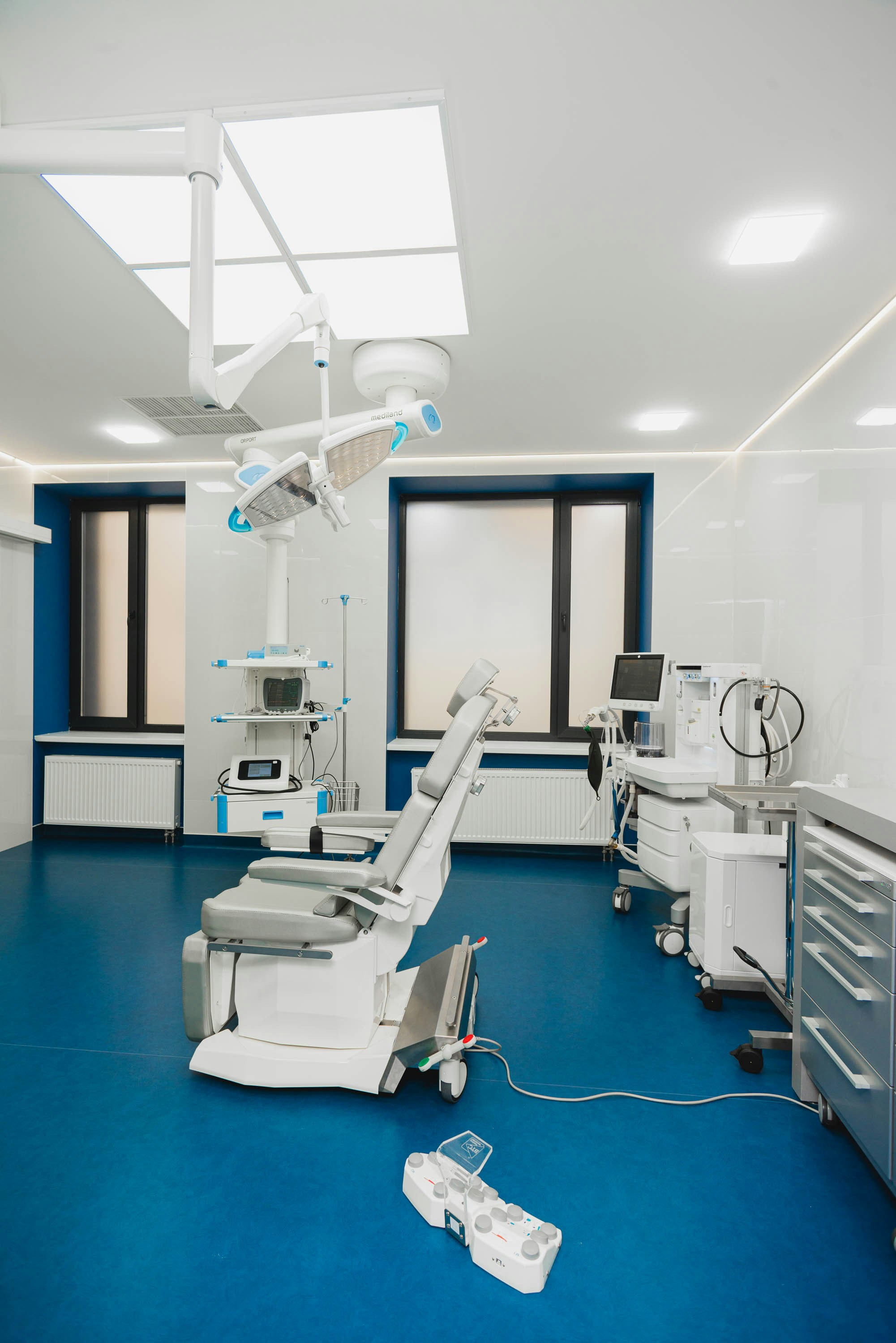
You got a number. Now you need context.
Your GP flagged an elevated PSA or an abnormal finding and referred you on. You've spent the last week searching the internet and arriving at worst-case scenarios. We start by reading your actual results — not a general guide to prostate health — and explaining what they mean for you specifically.
Tired of being handed another course of antibiotics.
Whether it's recurrent UTIs, blood in urine, urgency that disrupts your sleep, or pain you can't quite localise — these symptoms deserve investigation, not a repeat prescription. We take a full history, run the right tests, and give you a working diagnosis rather than a holding answer.

The operation is done. The questions haven't stopped.
Catheter removal dates, post-TURP flow rates, imaging review after nephrectomy, follow-up cystoscopy scheduling — the post-operative period generates as many questions as the procedure itself. We keep a close eye on your recovery and give you direct access when something feels off.
The door is open. You're not alone in this.
Thousands of patients have sat with these same questions. The ones who booked an appointment all said the same thing afterwards: they wished they'd done it sooner.